Introduction
A visit to a Korean bathhouse, known as a Jjimjilbang, is one of the most unique cultural experiences travelers can have in Korea.
Jjimjilbangs are large public bathhouses that combine traditional bathing facilities with relaxation areas, saunas, sleeping rooms, and casual dining spaces. These places are popular among locals who come to relax, socialize, and spend time with family or friends.
Unlike many spas in other countries, Korean bathhouses often operate 24 hours a day and can be visited at almost any time. Visitors can enjoy hot baths, heated sauna rooms, and comfortable resting areas all in one place.
For travelers interested in Korean daily life and culture, visiting a jjimjilbang offers an experience that is very different from typical tourist attractions.
What Is a Jjimjilbang?
A jjimjilbang is a traditional Korean bathhouse that includes multiple facilities designed for relaxation and wellness.
Most jjimjilbangs contain several areas, including:
• hot and cold bath pools
• sauna rooms with different temperatures
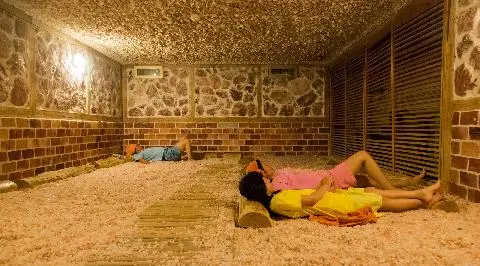
• heated stone or clay rooms
• relaxation lounges
• sleeping areas
• small restaurants or snack bars
While the bathing areas are separated by gender, many of the sauna rooms and relaxation areas are shared spaces where visitors wear special clothing provided by the bathhouse.
Because of this layout, jjimjilbangs are often used as places to relax for several hours or even overnight.
How a Korean Bathhouse Works
For first-time visitors, the process of entering a jjimjilbang may seem unfamiliar, but it is actually quite simple.
After arriving, visitors pay an entrance fee at the front desk and receive a locker key along with a set of clothing for the sauna areas. Shoes are usually placed in a small locker near the entrance before entering the bathhouse.
Inside the changing room, visitors store their belongings in lockers and change into the provided clothing.
The bathing area contains several pools with different temperatures, along with showers and sauna rooms. After bathing, visitors can move to the shared relaxation areas where they can rest, eat snacks, or enjoy heated rooms designed for relaxation.
Popular Sauna Rooms and Experiences

One of the highlights of visiting a jjimjilbang is exploring the different types of sauna rooms.
These rooms vary in temperature and materials, creating unique environments for relaxation.
Common sauna rooms include:
Salt rooms – believed to help cleanse the skin.
Charcoal rooms – designed to improve air quality and relaxation.
Clay or stone rooms – heated spaces where visitors lie on mats and rest.
Each room provides a slightly different experience, and visitors often move between them during their stay.
Food and Snacks at a Jjimjilbang
Food is another fun part of the jjimjilbang experience.
Many bathhouses offer small dining areas where visitors can enjoy simple Korean snacks and drinks.
Popular jjimjilbang foods include:
Sikhye – a sweet traditional rice drink served cold.
Baked eggs – eggs slowly cooked in sauna heat until they turn brown.
Ramyeon – instant noodles served as a quick meal.
These snacks are commonly enjoyed while relaxing in the shared lounge areas.
Bathhouse Etiquette in Korea
Visitors should be aware of a few basic etiquette rules when visiting a Korean bathhouse.
First, visitors must shower before entering the bath pools. Cleanliness is an important part of bathhouse culture.
Second, the bathing areas are usually nude spaces, and swimsuits are not worn in these sections.
Third, visitors should speak quietly and maintain a relaxing atmosphere so that others can enjoy the space.
Understanding these basic rules helps ensure a comfortable experience for everyone.
What to Bring to a Jjimjilbang
Most jjimjilbangs provide the essentials needed for visitors.
However, travelers may want to bring a few personal items.
Helpful items include:
• basic toiletries
• a small towel or personal skincare products
• comfortable clothing for after the visit
Since most bathhouses provide towels and clothing, visitors generally do not need to bring much.
Why Jjimjilbangs Are Popular in Korea
Jjimjilbangs are more than just bathhouses. They are also social spaces where people relax and spend time together.
Families often visit on weekends, while friends may meet there late at night to relax after a long day.
Because many facilities operate overnight, some people even use jjimjilbangs as an inexpensive place to sleep.
This combination of bathing, relaxation, and social interaction makes jjimjilbang culture an important part of everyday life in Korea.
Tips for First-Time Visitors
• Visit during weekdays if you prefer a quieter experience
• Bring cash or a payment card for snacks and additional services
• Try several sauna rooms to experience different temperatures
• Stay hydrated while using heated rooms
These simple tips can help visitors fully enjoy their first jjimjilbang experience.
FAQ
What is a jjimjilbang?
A jjimjilbang is a traditional Korean bathhouse that includes hot baths, saunas, relaxation rooms, and shared lounge areas.
Are Korean bathhouses open all night?
Many jjimjilbangs operate 24 hours and allow visitors to stay overnight.
Do I need to bring anything to a jjimjilbang?
Most facilities provide towels and clothing, but visitors may bring personal toiletries if they prefer.
Is visiting a jjimjilbang worth it?
Yes. Experiencing a Korean bathhouse is one of the most unique ways to experience Korean culture.
Final Thoughts
Korean bathhouse culture offers a relaxing and memorable experience for travelers visiting Korea. From hot baths and sauna rooms to traditional snacks and peaceful lounges, jjimjilbangs provide a glimpse into everyday Korean life.
For visitors who want to experience something beyond typical tourist attractions, spending time in a jjimjilbang can be one of the most interesting cultural activities in Korea.