One of the most common questions first-time visitors ask is simple:
Is Seoul safe?
The short answer is yes. Compared to many major global cities, Seoul is considered relatively safe. However, like any large metropolitan area, basic awareness is still important.
Here is what travelers should realistically know.
1. Overall Safety Level in Seoul
Seoul has a very active nightlife and late operating hours. Restaurants, cafes, and convenience stores often stay open until late at night, and the streets rarely feel completely deserted in central districts.
Violent crime rates are relatively low compared to many other large cities worldwide. Street robbery or armed crime is extremely rare in tourist areas.
2. Is It Safe to Walk at Night?
In popular areas such as Hongdae, Gangnam, Myeongdong, and Seongsu, there are usually many people out even late at night.
Public transportation runs until around midnight, and taxis are widely available afterward. Streets are generally well lit, and 24-hour convenience stores add to the feeling of safety.
You may see intoxicated individuals in nightlife districts, but this is usually more of a noise issue than a safety threat.
3. Leaving Belongings in Cafés and Restaurants
One well-known aspect of Korean society is how safe many public spaces feel.
There are countless examples of people leaving laptops, bags, or phones on tables in cafés while stepping away briefly — and returning to find everything untouched. This has become a widely discussed cultural difference for many foreign visitors.
That said, while theft is uncommon, it is still wise not to leave valuables unattended for long periods.
4. Widespread CCTV Coverage
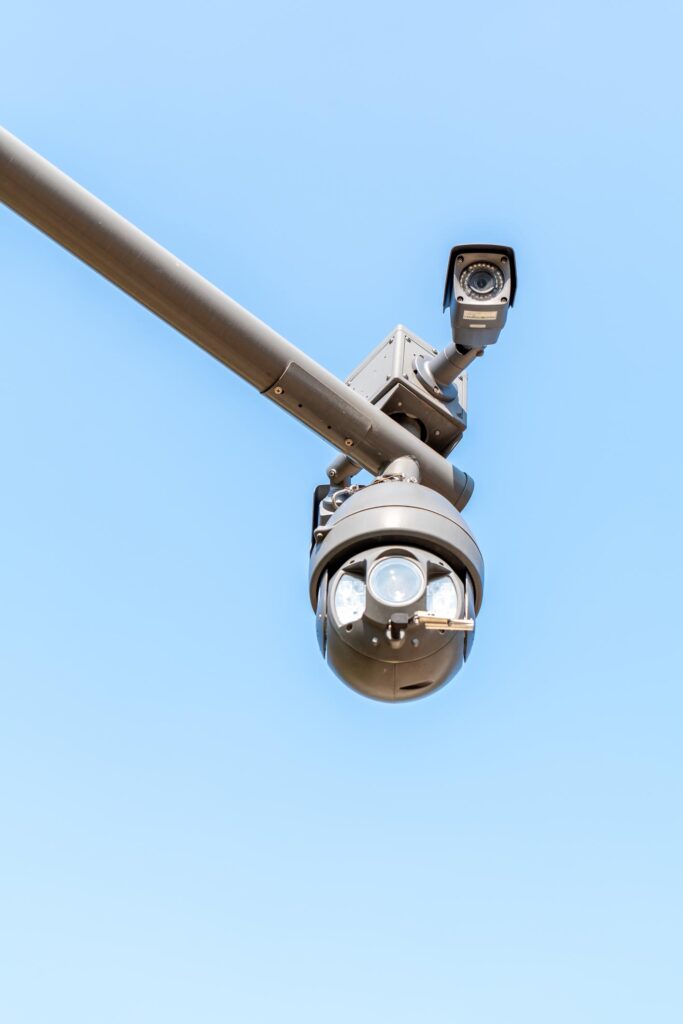
Seoul has extensive CCTV coverage in public areas.
You will find cameras installed in:
- Streets and intersections
- Restaurants and cafés
- Apartment complexes and residential neighborhoods
- Subway stations and buses
This visible surveillance contributes significantly to the overall sense of safety and acts as a deterrent to crime.
5. Pickpocketing and Theft
Unlike some European tourist cities, organized pickpocketing is not common in Seoul.
However, in crowded subway cars during rush hour or at large events and festivals, basic caution is recommended. Wear your bag in front of you and avoid leaving your phone unattended on tables.
6. Taxi Scams – What Foreigners Should Know
While taxis in Seoul are generally reliable and use meters, foreign visitors should be aware of one issue.
Occasionally, some drivers may attempt to:
- Refuse to use the meter
- Suggest a flat rate that is higher than normal
- Charge excessive amounts late at night
To avoid problems:
- Use taxi apps to check the estimated fare before entering
- Politely insist on using the meter
- Avoid negotiating prices unless it is a special premium or large taxi
In Seoul, standard taxis must use the meter. Aside from official late-night surcharges, there are no hidden additional fees. If a driver demands extra payment beyond the meter without clear reason, you should decline.
7. Is Seoul Safe for Solo Female Travelers?
Seoul is generally considered safe for solo female travelers.
Public transportation is monitored by CCTV, and major areas remain active late into the evening. Choosing accommodations in central neighborhoods with strong reviews adds another layer of comfort.
8. Natural Disasters and Protests
South Korea does experience seasonal heavy rain and occasional typhoons during summer, but emergency alert systems function well.
Public protests are relatively common in central Seoul, especially near government buildings, but they are typically organized and peaceful. Tourists are rarely affected.
Final Thoughts
Seoul is not a crime-free city, but compared to many major global destinations, it maintains a high level of public safety.
Basic travel awareness — avoiding deserted alleys late at night, monitoring personal belongings, and using official taxi services — is generally sufficient.
For most visitors, Seoul feels noticeably safe, even during evening hours.