K-culture is often associated with K-pop and dramas, but modeling and fashion have also become important parts of Korea’s global cultural presence.
International audiences may recognize Korean models from luxury brand campaigns or global fashion weeks. Behind that visibility is a structured education and agency-based training system. In Seoul, some programs allow foreigners to experience parts of that professional modeling environment through short-term camps.
One example is the modeling camp organized by Esteem, a well-known Korean modeling agency.
What Is a K-Model Camp?
Unlike casual photo workshops, a modeling camp is structured more like a short professional course.
Programs typically focus on:
- Runway walking practice
- Body posture and balance training
- Facial expression and camera awareness
- Styling and beauty sessions
- Portfolio photo shoots
The goal is not simply taking pictures, but understanding how the Korean fashion industry approaches training and presentation.
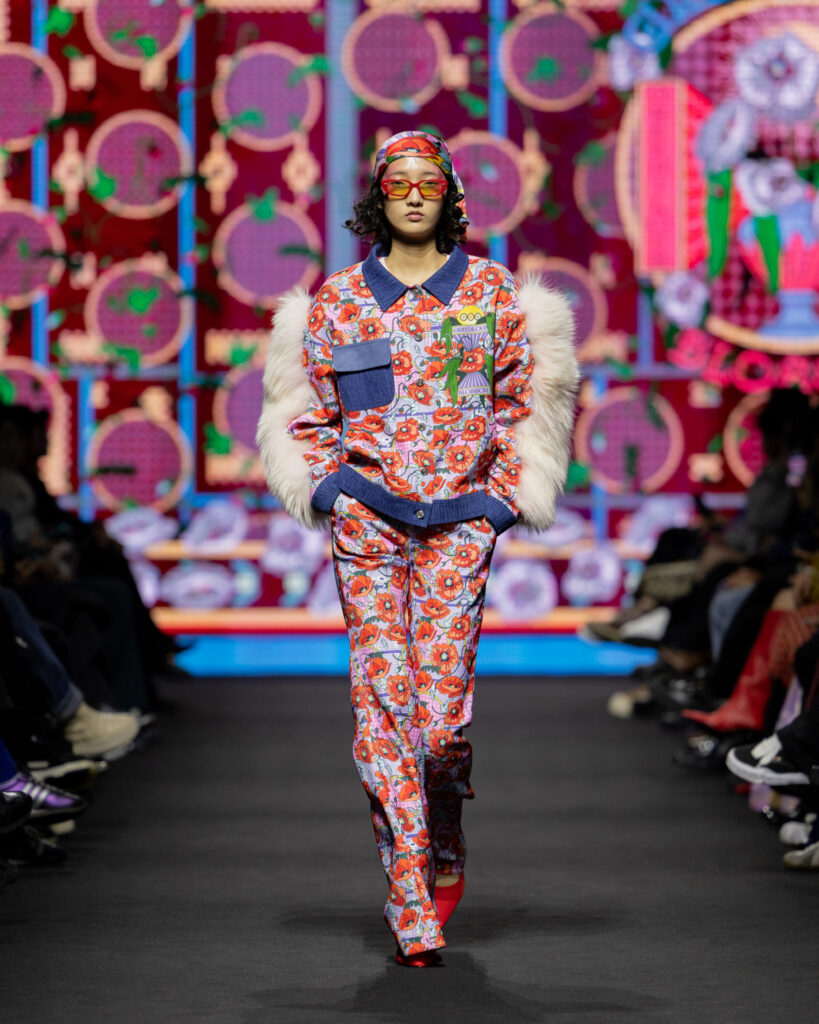
What Makes It Different from a Regular Workshop?
The key difference is industry context.
In many cases, participants are introduced to:
- Agency-style instruction
- Realistic rehearsal environments
- Backstage-style simulations
- Exposure to current K-fashion trends
Some programs also include cultural experiences connected to Korean fashion districts, giving participants broader insight into how K-style is developed and marketed.
Portfolio and Career-Oriented Elements
One of the most practical aspects of these camps is the portfolio component.
Participants may receive:
- Individual profile photo shoots
- Professional image selections
- Material that can be used in personal modeling portfolios
In certain cases, participants may also gain information about audition opportunities hosted by the organizing agency. While this does not guarantee representation, it offers insight into how auditions are structured in Korea.
Program Structure
Based on the outlined format, the modeling camp typically runs:
- 8 days, 7 nights
- Intensive daily sessions
- Limited participant capacity
This format makes it more immersive than a single-day class. However, it also requires full participation and scheduling commitment.
Cultural Components
Many modeling camps in Seoul combine training with cultural exploration.
Additional activities may include:
- Traditional Hanbok experiences
- Visits to historical landmarks such as Gyeongbokgung Palace
- Trend-focused shopping districts
- Beauty or styling experiences
These elements position the program as both professional exposure and cultural immersion.
Who Is It For?
A K-model camp is generally suited for:
- Aspiring models
- Students interested in fashion careers
- Young participants curious about K-fashion systems
- Travelers seeking structured, skill-based programs
It may not be ideal for visitors looking only for casual sightseeing.
Things to Consider
Before registering, participants should review:
- English-language support availability
- Daily schedule intensity
- Fee structure and included services
- Seasonal availability
Because modeling is performance-based, participants should expect physical practice, repetition, and critique.
Practical Information
- Program Name : ESteem C@Work Model Camp
- Duration : 8 days / 7 nights
- Operating Months : October and December (subject to change)
- Organizer : Esteem
- Website : www.esteemgroup.com
- Note : Program content and schedule may vary by season
Final Thoughts
Modeling camps in Seoul offer a closer look at how K-fashion and performance industries operate. They combine physical training, image development, and cultural exploration into a short but intensive experience.
For participants seriously interested in fashion or modeling, this type of program provides more depth than a simple photoshoot experience.